
Current

Ranjani Murali
Assistant Professor of Microbial Environmental Genomics
(Principal Investigator)
My research bridges biochemistry, microbial ecology, and evolution. I investigate how the interplay between molecular structure, biochemistry and environmental constraints drives protein evolution and microbial adaptation over geological time. By combining comparative phylogenomics, biochemical characterization, and enrichment cultures, I develop insight into the evolution of microbial metabolism. This approach has led to the discovery of novel enzymes in aerobic respiration, denitrification, and extracellular electron transfer.
When I’m not obsessing about protein evolution, I like ambling about in nature, reading literature and finding good live music to listen to.
Sujung Lim
Postdoc
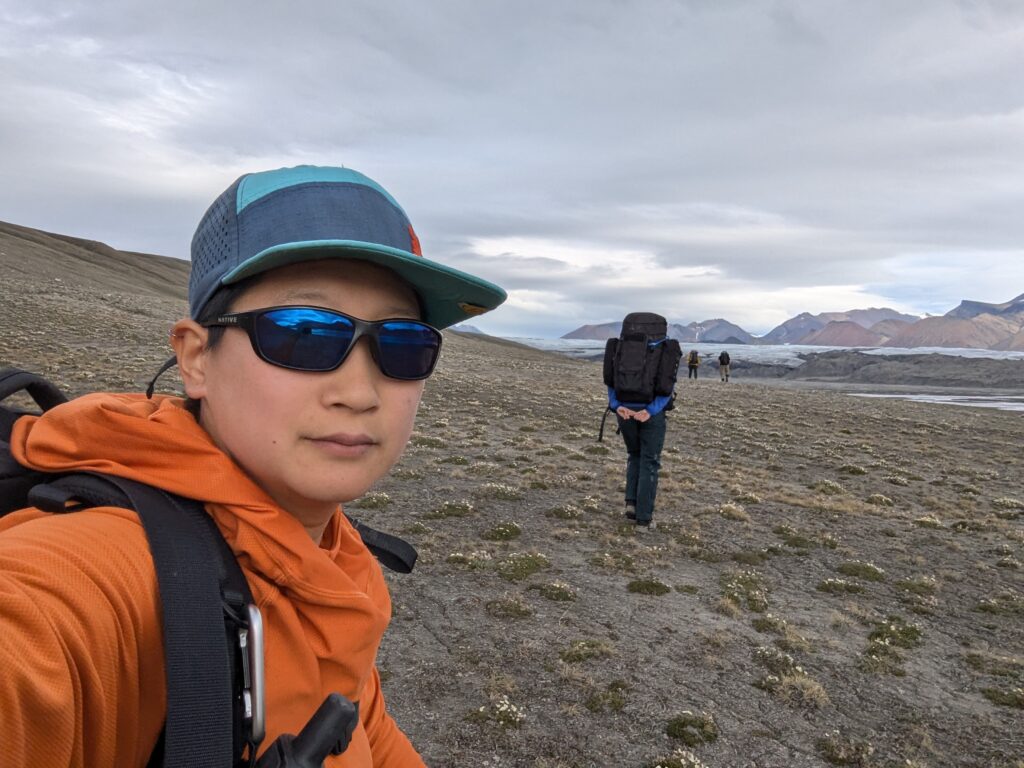
My research involves pairing the environmental distribution and diversity of microbial respiratory processes to local geochemical context through a combination of field observations, sequence data (’omics and amplicon), and microcosm incubations. I am also interested in the complexity of microbial communities especially with respect to their metabolic interactions. Current favorite electron acceptors include nitrate and iron (III).
In my spare time, I climb rocks and practice applied anaerobic microbiology with particular attention to fermentation products.
Parker Ingram
Graduate Student
My research involves the biochemical characterization of novel oxygen reductases and the investigation of organic degradation pathways in methane seeps.

Lauren Morgan
Graduate Student
My research involves the biochemical characterization of cytochromes c involved in direct interspecies electron transfer between anaerobic methanotrophic archaea and sulfate reducing bacteria. I am also interested in building genetic systems for environmentally relevant species within the phylum Bacteroidota.

Nasrin Ebadian
Graduate Student
My research involves investigating the distribution of novel denitrification pathways in different environments such as hot springs and oxygen minimum zones.
